
Navigating the Holidays: Coping with Eating Disorders
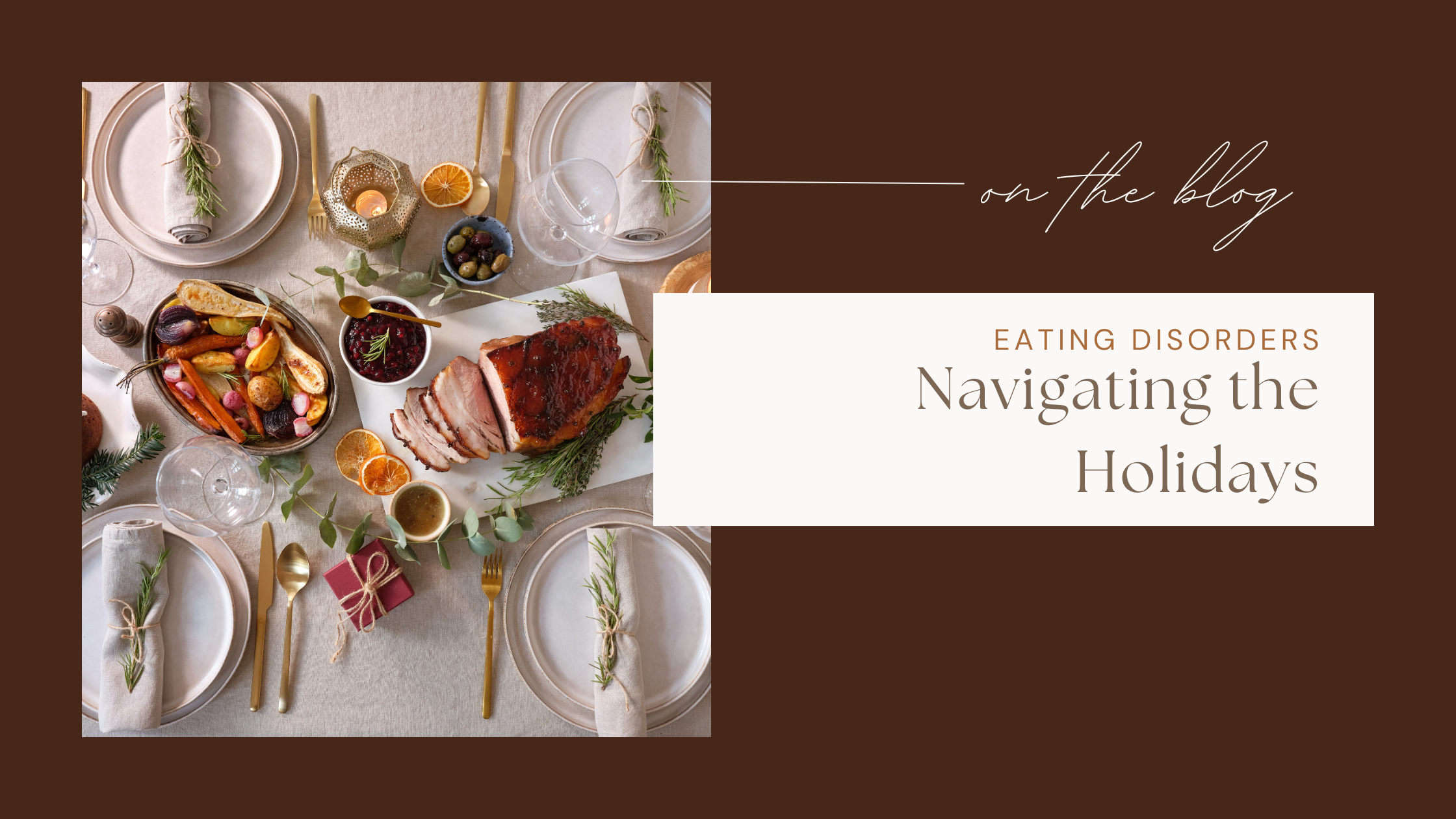
The holiday season is often heralded as a time of joy, gatherings, and feasting. However, for those struggling with eating disorders, this time can be particularly challenging. The pressures of social events, the abundance of food, and heightened emotions can exacerbate the struggles faced by individuals facing these struggles. Here are some strategies to help navigate the holidays while prioritizing mental health and well-being.
Coping Strategies
Acknowledge Your Feelings
It's essential to recognize that feelings of anxiety, sadness, or pressure around food and body image are valid. Acknowledging these emotions is the first step in dealing with them. Instead of pushing them aside, take the time to reflect on what specifically triggers these feelings during the holiday season. Awareness is the first step in developing coping strategies.
Set Boundaries
Communicate with family and friends about your needs and limitations. It's okay to decline certain food-related invitations if you're not feeling up to it. Consider setting boundaries around conversations that might center on appearance or dieting, which can be particularly triggering. Engage with loved ones who understand and respect your journey, and explain how they can support you.
Practice Mindful Eating
Mindful eating encourages being present during meals and savoring each bite without guilt or distraction. This practice can help regain a sense of control. Focus on the flavors, textures, and aromas of the food. If feelings of anxiety arise, take a moment to breathe deeply and re-center yourself.
Be Honest with Yourself
Establish realistic expectations regarding what is uncomfortable yet tolerable. This approach can prevent you from feeling overwhelmed by anxiety, guilt, and shame. It can also be beneficial to ask yourself, “Does this align with my values?” Eating disorders can be subtle, but once you recognize their presence, you can readjust and continue moving forward.
Connect with Others
Shift the emphasis from food to connection. Connection is one of the foundations of the holiday season! Use holiday gatherings as an opportunity to bond with friends and family. Engage in conversations, play games, or participate in activities that foster connection and joy beyond just eating.
Be Kind to Yourself
The pressure to appear “perfect” during the holidays can be overwhelming, especially for those dealing with eating disorders. It’s crucial to practice self-compassion. Allow yourself to feel what you're feeling without judgment. It’s important to remember that having tough days is okay and that recovery is not a linear journey, even if you wish it were. With this understanding, focus on being consistent rather than perfect.
Seek Professional Help
If you find that the holidays are particularly challenging, consider reaching out to a mental health professional who specializes in eating disorders. Therapy can provide the tools and support necessary to cope with difficult emotions and develop a healthier relationship with food and your body.
The holiday season can be a time of mixed emotions when you have an eating disorder. By prioritizing self-care, establishing boundaries, and seeking support, individuals can find ways to navigate this challenging time. The holidays are about more than just the meals; they’re about love, connection, and creating lasting memories. Allow yourself the grace to heal and embrace the joy of the season.
TL;DR
Acknowledge your feelings and allow space for them at the table. There is room for all feelings.
All feelings are allowed, but not all behaviors work with your values and goals. Be aware of times when the eating disorder might try to push you into old habits.
Be kind to your brain and body. You deserve to eat and there is no need to “earn” food or compensate for eating.
Count memories, not calories.